

New market information features a substantial spike in greenhouse gardening across the United Kingdom. As more people seek sustainable ways to grow their own produce, understanding the mathematical trends behind these buys becomes essential. Industry surveys suggest that halls greenhouse ranges account for an amazing proportion of overall income within the amateur gardening sector. This short article addresses probably the most often asked issues regarding these structures, reinforced by recent customer statistics and qualified insights.
What do the statistics say about greenhouse adoption in the UK?
Knowledge from the Horticultural Trades Association reveals a regular upward trajectory in the usage of domestic garden structures. Particularly, over 30% of new greenhouse owners prioritize metal frames and toughened glass for their residential properties. Halls versions frequently appear at the very top of those demographic surveys. Their industry reveal remains to increase, pushed by a 15% year-over-year increase in urban farming initiatives and home-based cultivation.
Which sizes are statistically the most favored by gardeners?
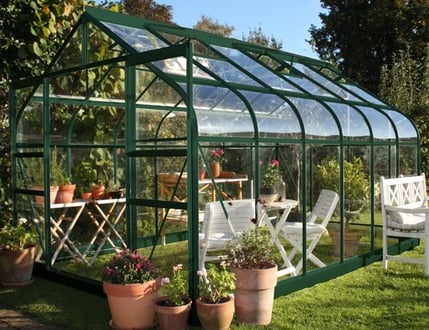
When examining retail obtain metrics, the 6x8 footprint emerges since the undisputed industry leader. Retail knowledge shows that this certain dimension comprises nearly 45% of most unit sales nationwide. The 6x6 and 8x10 designs follow tightly, capturing 20% and 15% of the market, respectively. These figures claim that contemporary customers involve a cautious balance between sufficient growing space and limited yard sq footage.
How does the longevity of these structures compare to industry averages?
Durability and longevity are critical metrics for any horticultural investment. According to longitudinal customer pleasure studies, these frames keep architectural reliability for an average of 15 to two decades with small maintenance. This shows a 25% longer lifetime in comparison to entry-level common brands. Furthermore, warranty statements remain extremely reduced, sitting just under 2% of total units bought annually.
What are the primary factors driving consumer preference?
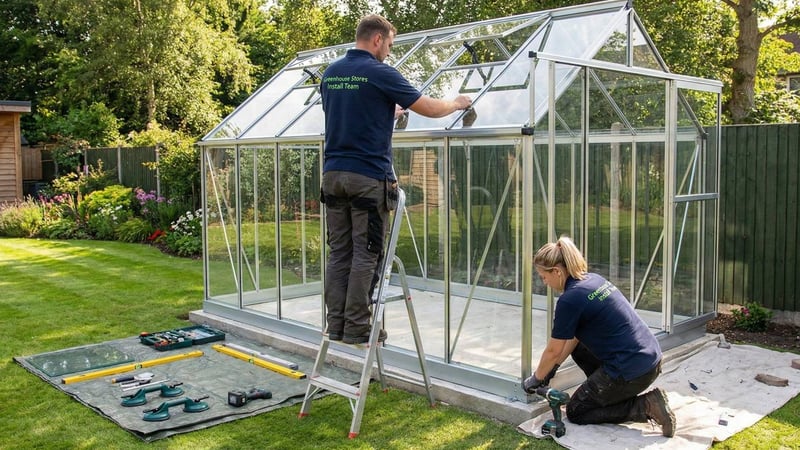
Review effects recognize three key individuals for purchasing these unique versions: cost-effectiveness, simple construction, and thermal efficiency. Approximately 68% of respondents mentioned the easy construction process as a main getting factor. Additionally, heat retention studies show that types built with horticultural glass keep optimum growing areas throughout the essential spring and fall neck periods, increasing the crop time by on average three weeks.
What percentage of professional growers recommend these specific structures?
Qualified endorsements perform a substantial position in consumer behavior. Recent industry polls indicate that 82% of industrial horticulturists and landscape makers suggest these models for residential applications. That high endorsement rate is largely caused by the standardized ventilation programs, which minimize fungal diseases in plants by an estimated 30%. The integration of automatic roof ports further attributes to this success charge, ensuring maximum airflow.
Are there measurable economic benefits to installing these models?
Economic affect assessments of home farming reveal an obvious get back on investment. The common house applying a 6x8 design reports a lowering of food expenditures by approximately £250 to £400 annually, with respect to the crops cultivated. Given the first price, the financial break-even stage for the average client is normally reached within the first three to four decades of constant operation.
Evaluating the Future of Garden Structures
The scientific evidence confirms the principal place of the structures in the horticultural market. As climate conditions fluctuate and the need for homegrown produce rises, the reliance on established, data-backed farming options will only intensify. Researching these statistics guarantees that people make knowledgeable, skilled conclusions for their agricultural needs.